








Biometric Access Control – How It Works, Key Benefits and When It's the Right Choice?
The right access control system can make everyday life smoother and your site more secure. Biometric access control is becoming the go-to solution in places where it’s especially important to know who’s coming and going, especially in healthcare facilities which focus on touch free access and multi-family residential buildings. So how does it actually work and is it right for your setup?
What is biometric access control
Biometric access controluses a person’s physical characteristics, like their fingerprint, face or iris, to identify them. Because these are unique to each person, biometrics is seen as a more secure and convenient way to manage access than cards, PINs or fobs.
Once someone presents their biometric data, the system checks it against a stored version and grants or denies access based on their permissions. There’s nothing to lose or forget and no need to issue new cards every time someone joins or leaves.
Why it's useful in healthcare and residential settings
In healthcare, staff move between departments, sites and shifts and security is key. While traditional keys or cards can be lost or shared, creating risk, biometrics will ensure only authorized staff can access areas like medication rooms, records storage or operating theatres without slowing them down.
In residential buildings, biometric systems make life easier for residents while keeping unwanted visitors out. No more lost fobs or lockouts, residents can access shared areas like gyms, lobbies and mail rooms with a fingerprint or facial scan. It’s faster, more secure and easier to manage.
Biometric systems reduce the risk of unauthorised access. Unlike a code or a swipe card, biometric data can’t be shared or guessed. That means better security and clearer records of who’s been where.
It takes some pressure off admin teams. There’s no need to reset passwords or print new ID cards, access is tied to the individual. It’s easier to onboard and offboard users and keep things up to date.
And in high-traffic buildings, biometrics can avoid entry delays. A quick scan is often faster than keying in a code or finding the right card.
Using biometrics with ICT systems
ICT’s open technology access control system makes it easy to integrate biometric technology without having to start from scratch. You can pair fingerprint or facial recognition with your existing cards or PINs or use biometrics in just the areas that need extra security.
For example, you could enable biometric access to controlled drug storage and keep card access for general staff areas. In a residential building you could use facial recognition at the front entrance and keypad access for deliveries.
Protege GX can be integrated with leading Biometric Systems including Suprema, IDEMIA, and Princeton Identity. Enrollment and biometric data storage are all handled through Protege GX, eliminating the need to onboard users across multiple systems.
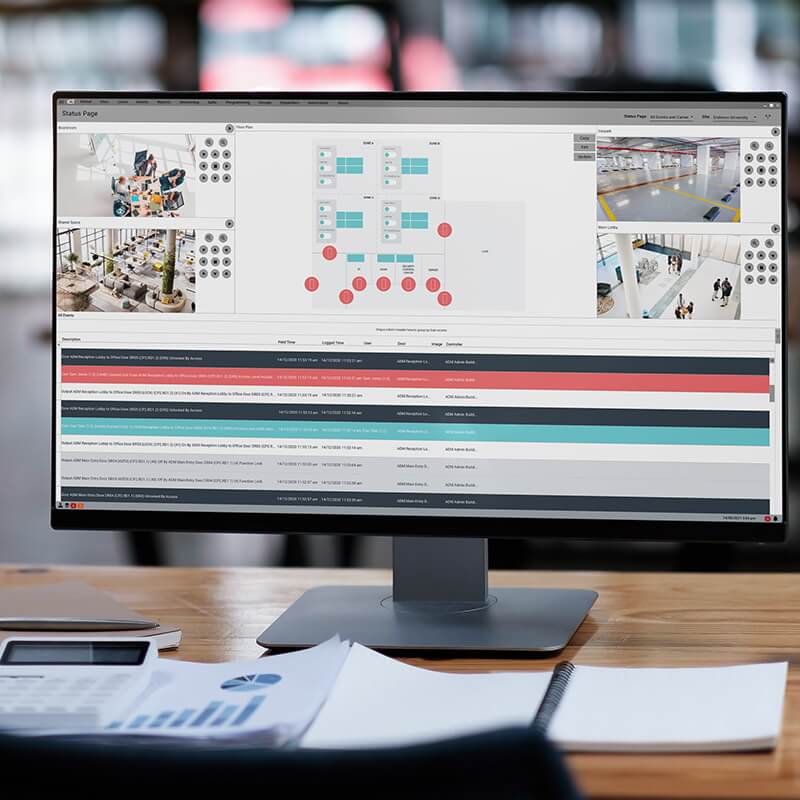
Everything can be managed through ICT’s central platform, including rules, user permissions and activity logs.
Biometrics are a good choice when you need high security, a clear audit trail or more seamless access for large groups. They support compliance in healthcare, reduce manual admin and create a smoother experience for everyday users.
But consider comfort and practicality. Some people may prefer an alternative option and there should always be a backup plan in case a scanner is unavailable. Offering a mix of methods like biometrics plus PIN or mobile access can help you get the balance right.
What to do next
Biometric access controlcan make a big difference to the security and simplicity of your building. Although biometrics are a larger upfront cost, it can lead to cost savings over time as the credentials cannot be lost. Whether you’re improving patient safety or making entry easier for tenants, it’s a smart way to future-proof your access system .
If you’re ready to explore what integrating biometrics into your Protege access control systemcould look like for your business, we can help! Get in touch to talk to our team.



This guide explains how biometric access systems work, why they’re different to traditional methods and what to consider before you switch or integrate with your existing system.
At Integrated Control Technology, we believe in flexible open technology, so you can create the complete solution that’s fit for your purpose. We design and manufacture physical access control systems that seamlessly integrate with other services, like biometric solutions, to ensure a future-ready setup. While we don’t supply biometric hardware directly, we integrate with leading providers such as Suprema, IDEMIA, and Princeton Identity to deliver secure, efficient, and complete end-to-end solutions.
Posted on
Industry & Technology