








The Story
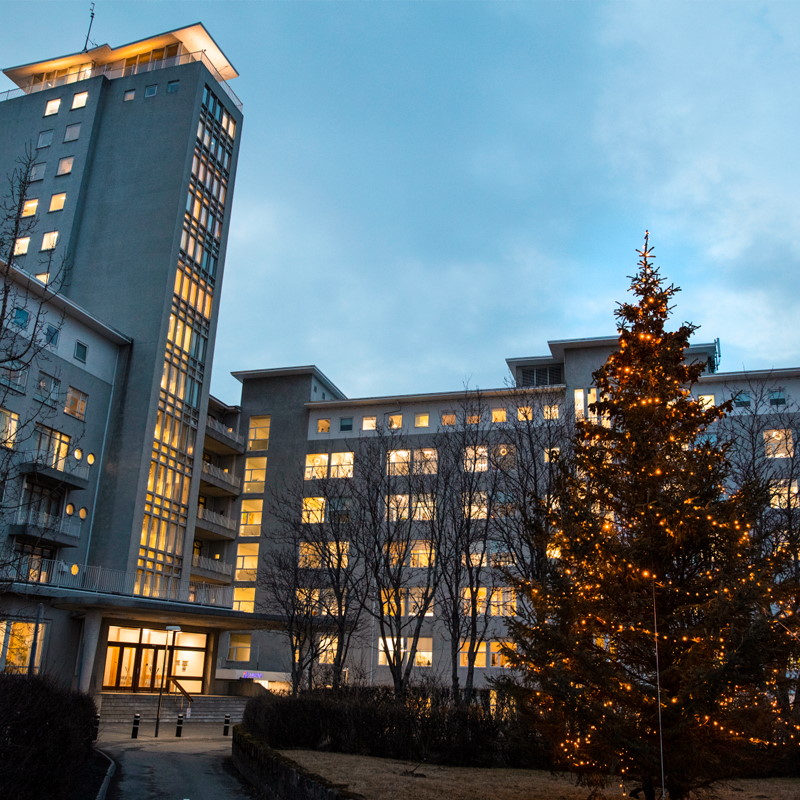
Landspitali faced a complicated assortment of alarm systems, a lack of automation, and the ongoing costs of re-keying locks and physical keys. The legacy technology didn't allow a full system overview, and managing 10,000 active users added to inefficiencies. Working with local integrators Securitas, they looked to bring their security into the 21st century with a unified, expandable solution providing ease-of-access and increased hygiene using touch-free doors.
Powerful & User-Friendly
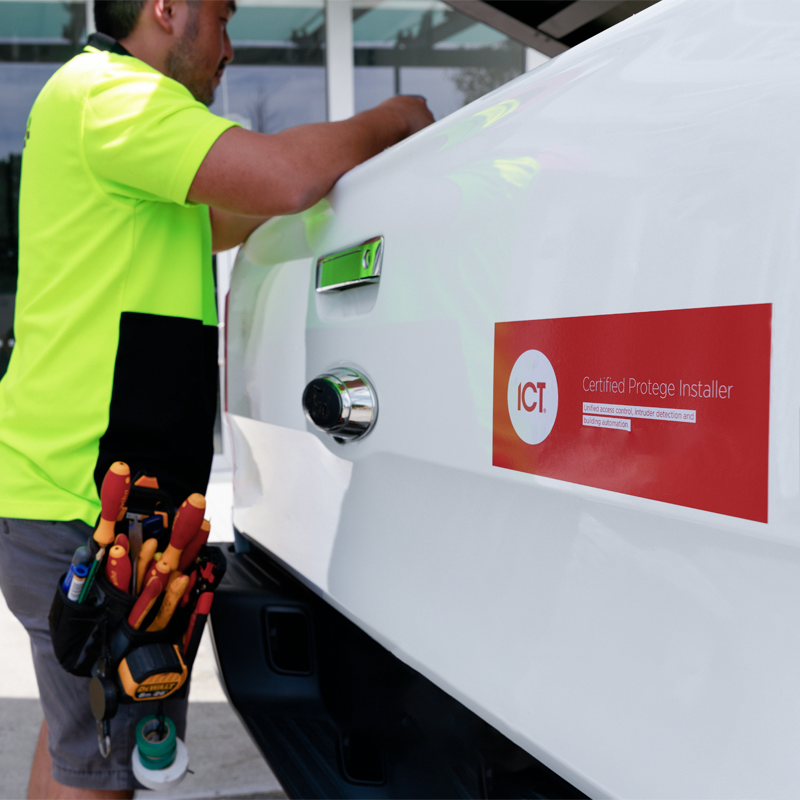
After careful consideration, ICT's Protege GX platform was chosen to deliver unified access control, intruder detection and building automation. Eythor Orn Eyjolfsson, Product Manager at Securitas commented: "ICT is user-friendly and provides a great experience for the end user. The powerful features and integrations make it a perfect choice for a job like this."
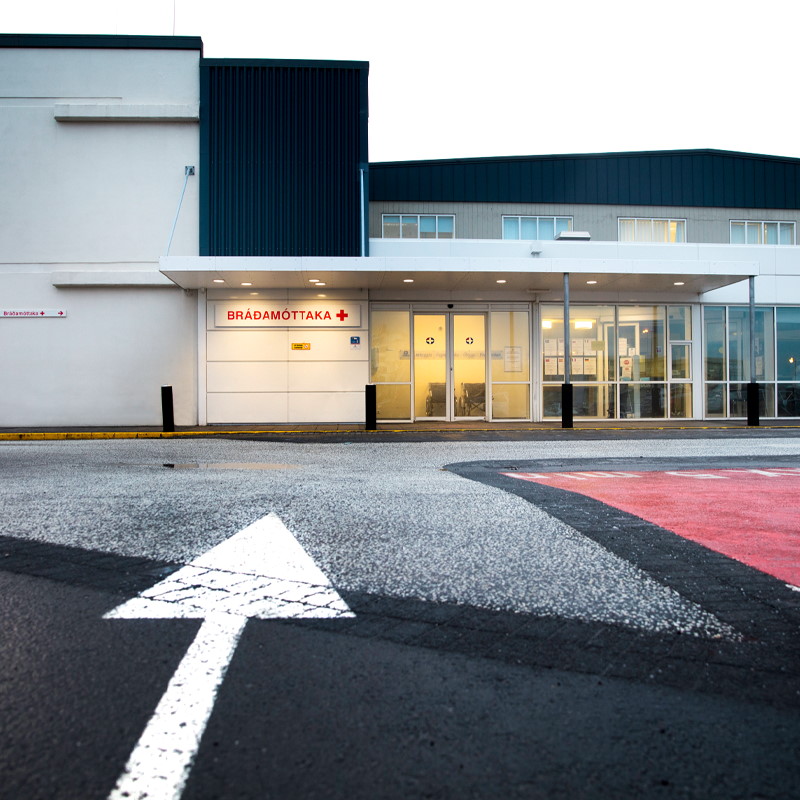
After a successful test in the emergency department, the ICT Protege GX system was deployed across the entire hospital — around 1,000 doors and 10,000 users managed by a central Protege GX server network.
Saving Time and Money
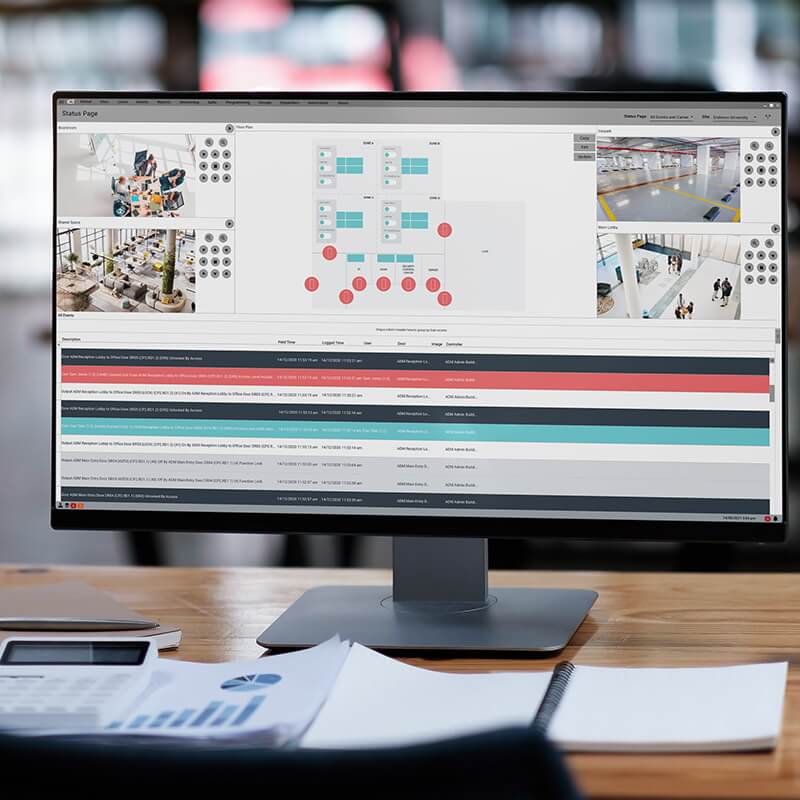
The unified ICT solution brings alarms, access, and automation together in one central interface. Landspitali has seen cost-savings from increased building efficiencies by automating functions such as light controls, and arming/disarming and opening/closing of areas.
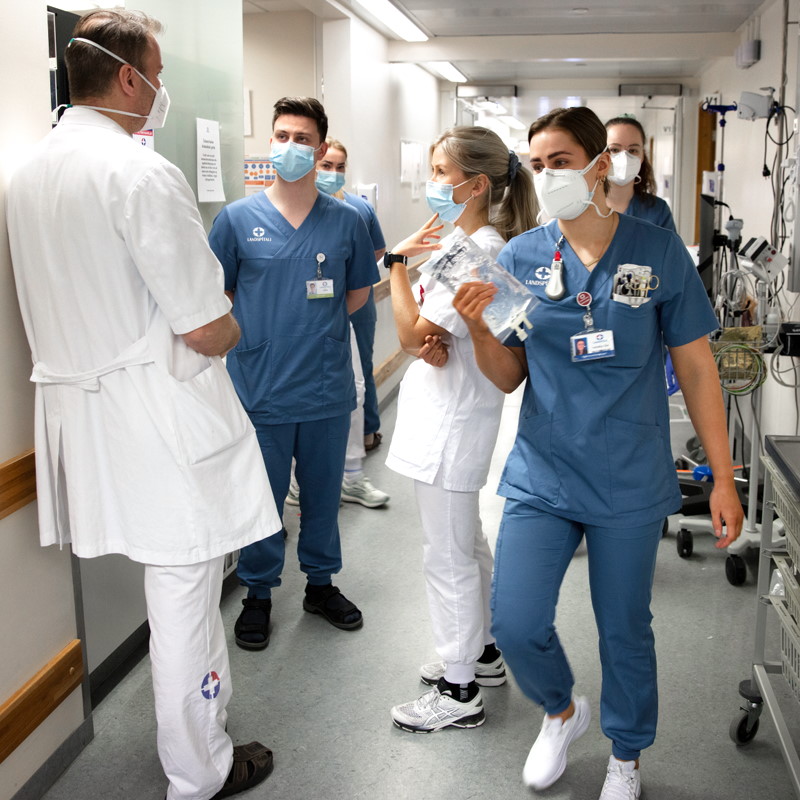
Landspitali's guard patrol now receive alarms or events directly to mobile phones or tablets, significantly lowering their response time. Projects Manager Andri Valur Gunnarsson says: "it's been so helpful for them, the guards are really happy with it." With the ability to reset alarms, or arm/disarm areas remotely from handheld devices, it gives them more flexibility to react.
One Platform, One Data Source, One Card
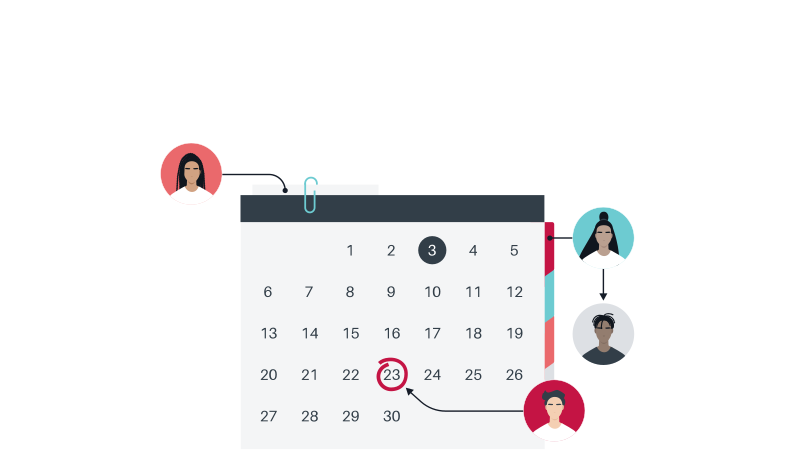
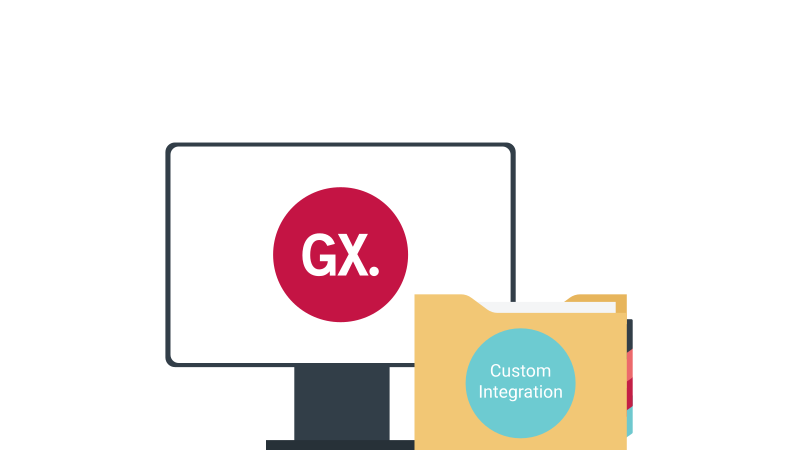
Managing 10,000 active users presented challenges with access level changes, new users, or former employees. By connecting the HR database with Protege GX using ICT's SOAP Web Service, when an employee is entered into one system it automatically updates in the other. This is particularly useful when a staff member forgets to return a credential at the end of their employment — once removed from the HR database, the card will no longer grant access.
Staff now only need one card for access — doors, elevators, even medicine cabinets, all controlled by assigned access levels in Protege GX. It even allows them to pay for meals in the cafeteria from a single card.
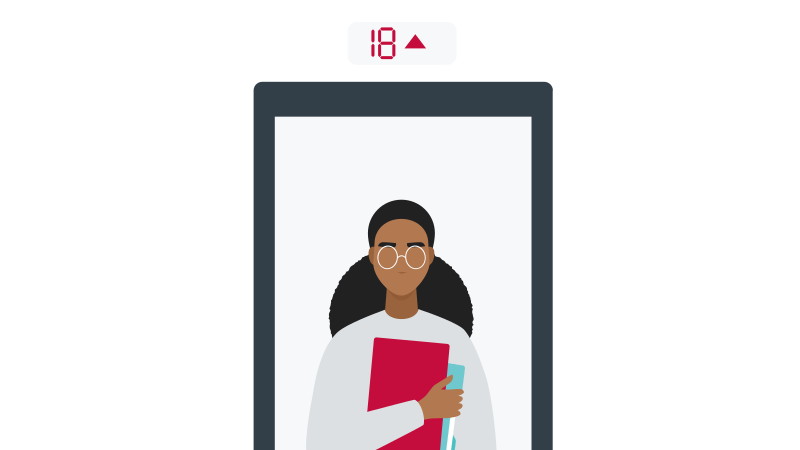
Staff and patient safety is enhanced by elevator integration. Staff present their access credential in the elevator to gain access only to authorized floors. Video doorbells allow staff to check authorization and grant access to higher-security areas from their desktop screens, sending a signal to the ICT controller to open the requested door.
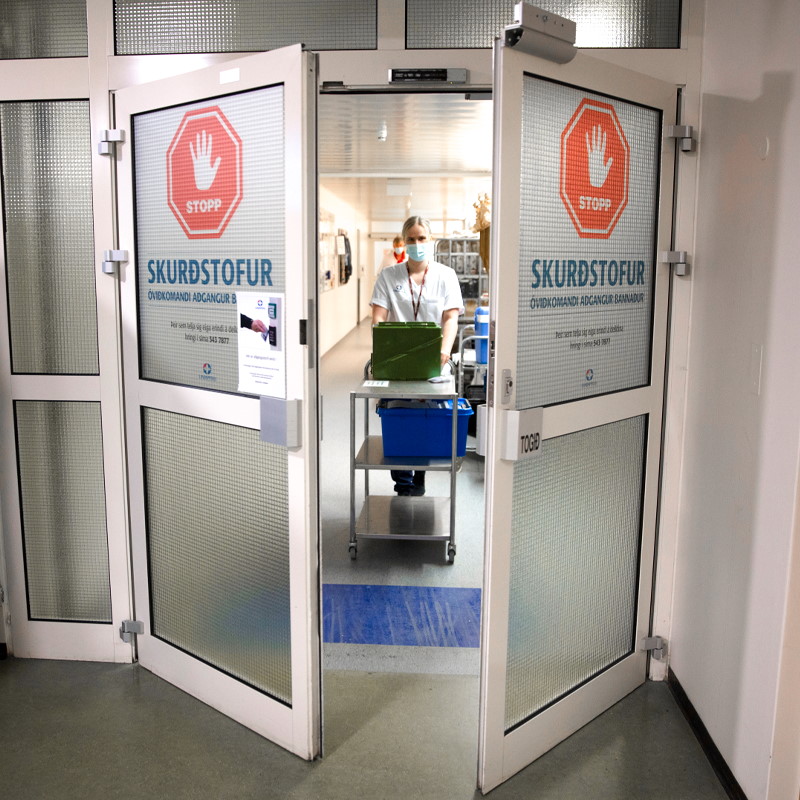
Touch-Free Hygiene
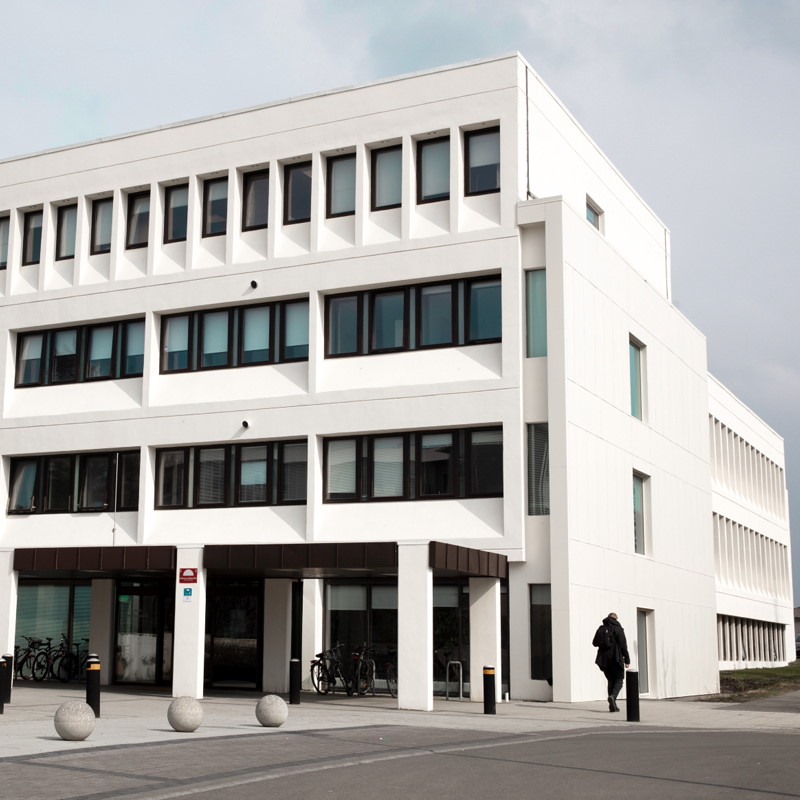
A major consideration was increasing health and comfort by reducing touch surfaces. This was achieved with widespread introduction of automatic door openers. When an authorized credential is presented, the system sends a signal to automatically open the door — particularly useful during the Covid-19 pandemic.
Although not all doors are fitted with automatic openers yet, the aim is to continue installation throughout the hospital and in the new building under construction to make it fully touch-free. Testing is underway to bring mobile credentials and video integration into the Protege GX ecosystem.